Securing a professional pest control service Greenville homeowners can depend on stops aggressive regional pests from breaching family living spaces. CanyonFern Pest Specialists eliminates structural anxieties by replacing outdated, blanket indoor spraying with scientific perimeter defense and precision moisture control across Greenville County.

A pest control service in Greenville is a specialized residential environmental management service that inspects structures, eliminates active infestations, and applies targeted physical and biological perimeter barriers to prevent wood-destroying insects, structural pests, and disease vectors from colonizing local homes.
Every service reflects the same meticulous attention to detail, whether it's a single job or a larger pest control sevice project across Greenville.
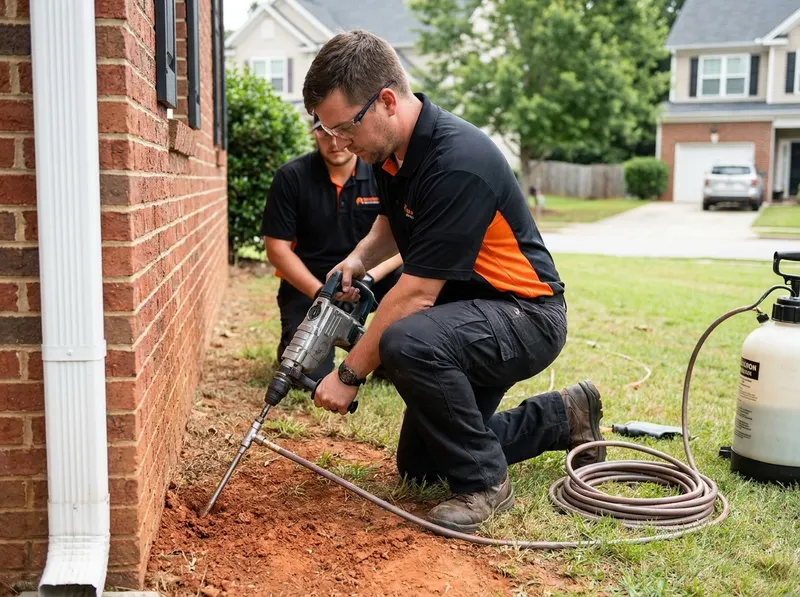
Subterranean termites (Reticulitermes flavipes) cause billions in structural damage nationwide, thriving in Greenville's humid climate and dense red-clay substrate. Technicians trench, inject, and treat exterior perimeter soils with non-repellent termiticides such as EPA-approved fipronil formulations to eradicate subterranean colonies. Technicians also install non-invasive bait monitoring systems around the foundation perimeter, inspecting crawl space structural piers, sill plates, and subfloors annually to prevent unobserved structural timber damage.
Get a quote →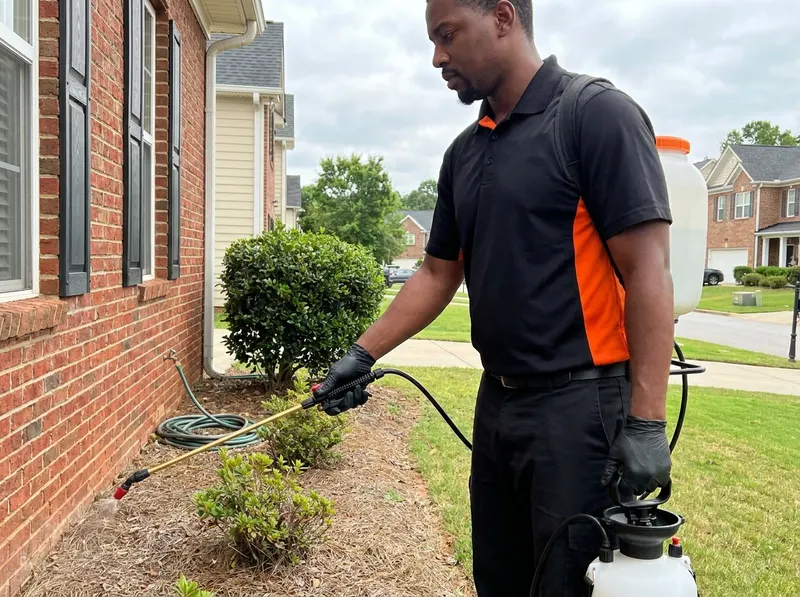
Quarterly residential perimeter management protects living spaces by establishing an external insect-repelling barrier around the foundation wall, window sills, soffits, and crawl space access doors. Applying low-toxicity microencapsulated pyrethroid solutions and botanical perimeter repellents blocks German cockroaches, house crickets, silverfish, and centipedes before they traverse thresholds. This approach keeps living spaces completely clear of chemical drift, offering maximum safety for children and household pets.
Get a quote →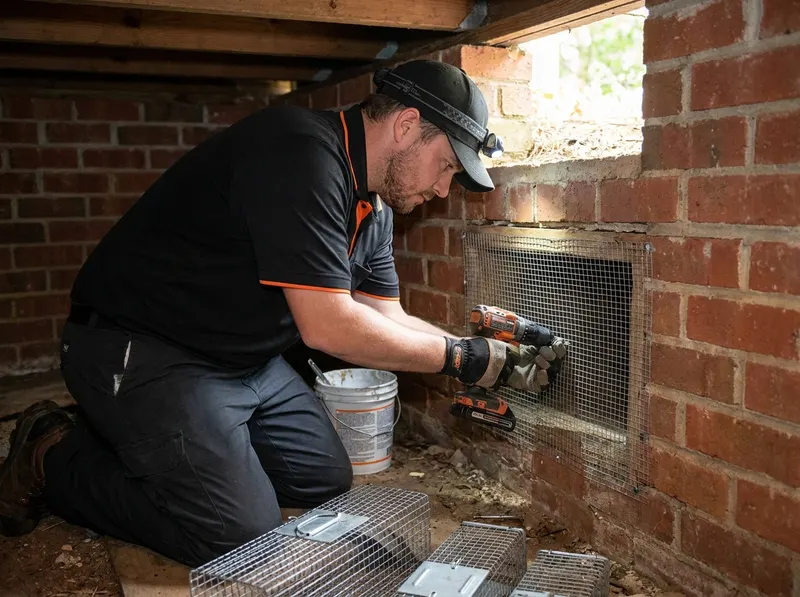
Roof rats (Rattus rattus) and house mice exploit small construction gaps along roof returns, crawl space vents, and utility pipe wall penetrations. Exclusion technicians map structural entry points across the building envelope, sealing openings larger than one-quarter inch using heavy-gauge galvanized steel hardware cloth and metal-reinforced hydraulic cement. Technicians set mechanical indoor trapping runs within crawl spaces and attics in accordance with CDC structural rodent exclusion protocols to eliminate target populations without broadcasting loose poisons.
Get a quote →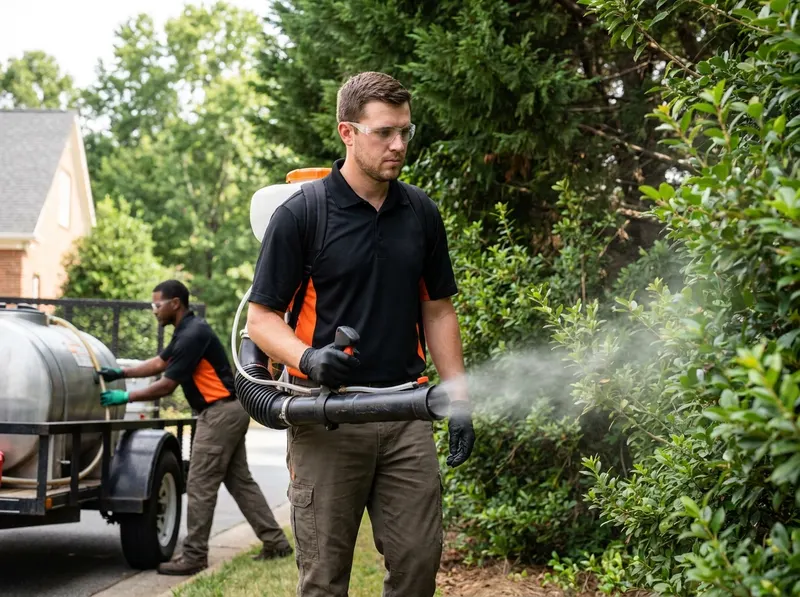
Mosquitoes (Aedes albopictus) breed rapidly in standing water collected by dense vegetation, clogged gutters, and river-adjacent humidity. Specialists inspect properties to identify standing water risks, treat stagnant yard puddles with biological Bacillus thuringiensis israelensis (BTI) larvicides, and apply micro-droplet barrier sprays to resting foliage undersides. Recurring 21-to-30-day applications from April through October dramatically reduce adult biting insect counts without disrupting non-target ground pollinators.
Get a quote →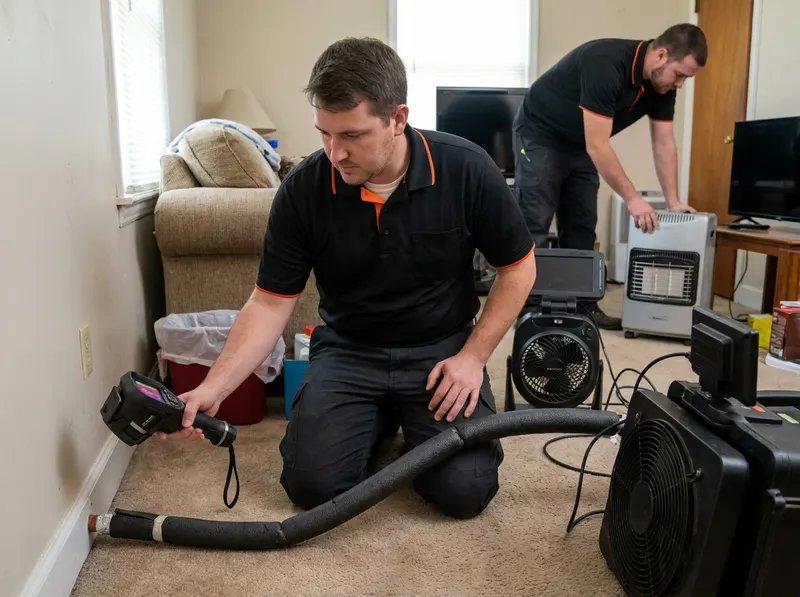
Bed bugs (Cimex lectularius) shelter deep within mattress seams, baseboards, electrical outlets, and furniture framing. Following OSHA workplace safety standards for indoor handling, technicians employ dual-action remediation utilizing high-temperature dry steam alongside targeted, long-lasting insect growth regulators (IGRs). This process disrupts bed bug reproductive life cycles and kills pesticide-resistant nymphs and eggs without leaving persistent oily residues on delicate living surfaces.
Get a quote →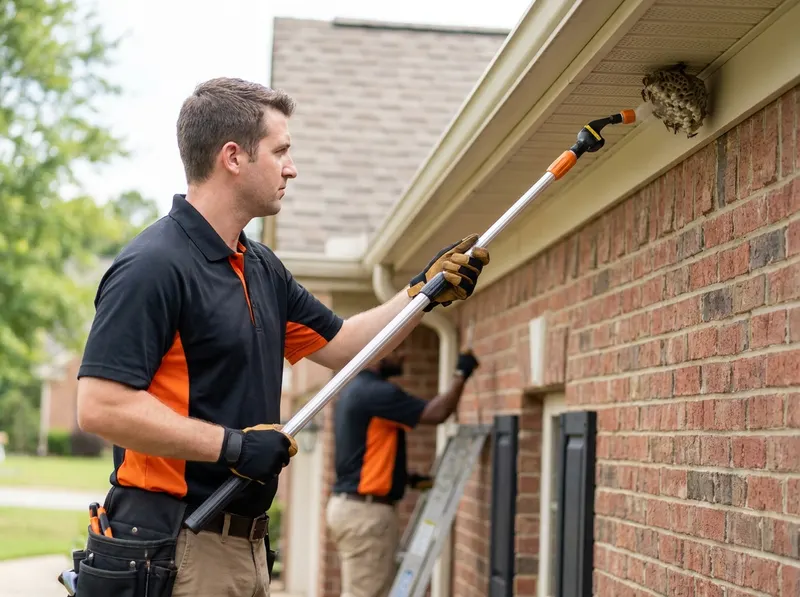
Paper wasps, bald-faced hornets, and aggressive yellowjacket subterranean nests present acute sting hazards near entry doorways, eaves, and play structures from mid-July through September. Technicians utilize targeted pressurized freezing sprays and mechanical harvesting poles to safely remove elevated aerial nests and underground colonies. Foundation weep holes and attic gable vents are secured to permanently prevent queen wasps from overwintering inside structural wall insulation.
Get a quote →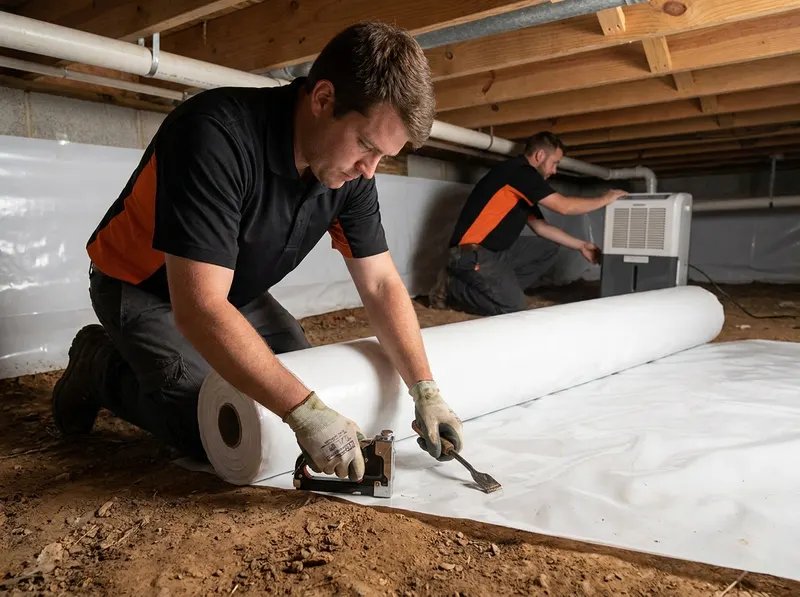
Excess ground humidity within ventilated earthen crawl spaces accelerates dry rot fungal decay and invites wood-boring powderpost beetles into floor joists. Specialists clear debris, level crawl space ground surfaces, install 12-to-20-mil reinforced antimicrobial polyethylene vapor barriers across exposed red clay, and seal foundation wall vents. Integrating specialized, Energy Star-rated commercial dehumidifiers stabilizes subfloor wood moisture content below 15 percent, cutting off the vital moisture reservoir that structural wood-destroying pests require.
Get a quote →Red imported fire ants (Solenopsis invicta) construct expansive subterranean mound networks that undermine turfgrass roots and deliver painful venomous stings to family members and pets. Rather than using harsh surface contact dusting, technicians broadcast specialized bait matrix granules containing targeted biological growth inhibitors. Worker ants transport these baits deep into the subterranean galleries, systematically sterilizing the egg-producing queen and collapsing the entire colony network within two to three weeks.
Get a quote →You get a firm, itemized quote for your pest control sevice before any work begins, no surprises, no pressure.
Careful prep, tidy work, and a full cleanup when we are done. We treat your home and belongings like our own.
The same trusted, background-checked team from the first call to the final check.
Selecting the right pest control intervention depends entirely on target pest biology, structural foundation design, and active infestation pressure. If you detect sudden localized activity such as pavement ants trailing along kitchen quartz counters or smokybrown cockroaches emerging around bathroom plumbing penetrations, choose a targeted quarterly perimeter barrier program. If you discover structural timber degradation, hollow sounding floor joists, or discarded subterranean wings along window sills, select a comprehensive non-repellent liquid soil treatment paired with crawl space inspection.
The trade-off centers on upfront mechanical exclusion and perimeter saturation costs versus the chronic, compounding expense of hidden structural framing repairs. If you observe roof rats or eastern grey squirrels chewing soffits near attic ridgelines, select mechanical exclusion sealing paired with sealed interior snap-trapping rather than exterior rodenticide bait boxes alone. Relying solely on exterior rodenticide risks poisoned pests dying inside inaccessible drywalled wall voids, generating secondary insect blooms and severe domestic odor issues.
For properties bordering heavily shaded woodland corridors, recurring seasonal mist reduction cycles running every 21 to 30 days from April through October control flying vectors, whereas one-time perimeter treatments leave exposed yards unprotected against continuous reinfestation.
Every project gets a firm, written price after an on-site visit. Ranges below for orientation.
Tell us about your pest control sevice job and we'll send a clear, written quote, usually the same day. Or just call and talk to a real Greenville pro.
(864) 215-5116
Greenville's regional landscape combines dense hardwood canopies, steep mountain runoffs from Paris Mountain State Park, and humid river basin corridors surrounding Falls Park on the Reedy. These geography-specific factors produce high ambient ground moisture that drives subterranean termites and smokybrown roaches out of red-clay soils and into residential crawl spaces. Historic mill cottages across Dunean and mid-century foundations throughout Gower Estates feature crawl spaces that retain significant humidity during summer heat waves. Consequently, durable pest defense in Greenville County requires active crawl space moisture stabilization alongside exterior botanical perimeter barriers.
 CanyonFern Pest Specialists